
The Importance of Dental Handpiece Coupling in Modern Dentistry Leave a comment
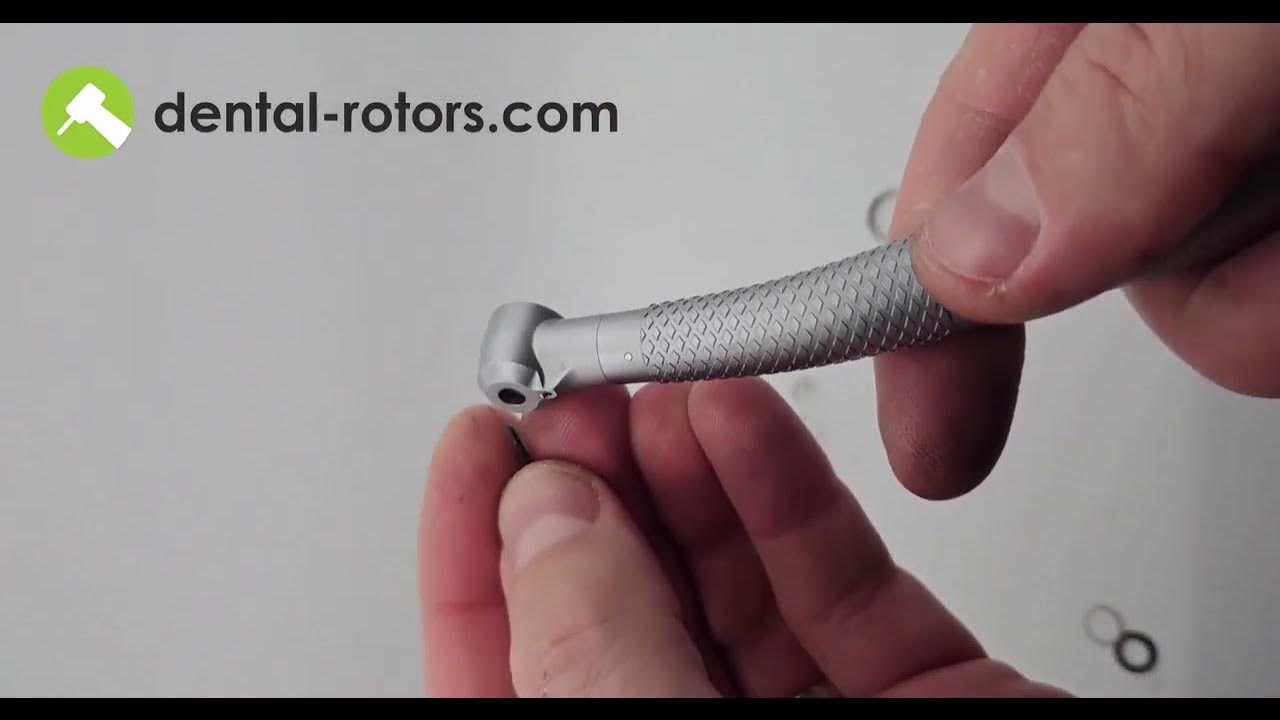
In the world of dentistry, the precision and reliability of tools are fundamental to successful patient outcomes. One of the key components that contribute to this reliability is the dental handpiece coupling. This article delves into the significance, types, and proper maintenance of dental handpiece couplings, ensuring dental professionals understand these essential components.
Understanding Dental Handpiece Couplings
Dental handpiece couplings serve as the connecting point between the dental handpiece and the air or water supply. These couplings are crucial for the operation of handpieces, enabling them to function effectively during procedures. A well-designed coupling allows for a seamless connection, minimizing the risk of leaks or disconnections, thus ensuring that dentists have the tools they need at their disposal.
The Importance of Quality Couplings
Quality dental handpiece couplings are vital for a number of reasons:
- Performance: High-quality couplings enhance the performance of dental handpieces, ensuring they operate at optimal speeds and torque.
- Durability: Well-manufactured couplings are built to withstand the wear and tear of frequent use in a busy dental practice.
- Safety: Reliable couplings help prevent accidental disconnections that could lead to injuries or equipment damage during procedures.
Types of Dental Handpiece Couplings
There are several types of dental handpiece couplings available on the market, each designed for specific functions.
1. Standard Couplings
Standard couplings are the most common type found in dental practices. They typically connect high-speed and low-speed handpieces to the dental unit and come in various configurations to fit different handpiece models.
2. Quick Connect Couplings
Quick connect couplings offer the convenience of fast attachments and detachments, allowing dentists to swap handpieces easily during procedures. This feature is particularly beneficial in busy dental environments.
3. Disposable Couplings
These couplings are designed for single-use, promoting hygiene and minimizing the risk of cross-contamination between patients. They are often used in conjunction with disposable handpieces.
4. Specialty Couplings
Some dental procedures may require specialized couplings designed for specific instruments, such as endodontic handpieces or surgical handpieces. These couplings cater to the unique needs of various dental specialties.
Key Considerations When Choosing Dental Handpiece Couplings
When selecting dental handpiece couplings, dental professionals should consider the following factors:
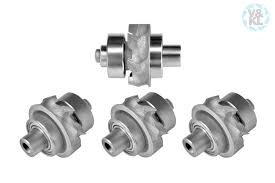
- Compatibility: Ensure that the coupling is compatible with the handpiece and the dental unit. Incorrect couplings can lead to operational issues.
- Material Quality: Look for couplings made from high-quality materials that resist wear, corrosion, and heat to prolong their lifespan.
- Ease of Use: Opt for couplings that are easy to attach and detach, especially in fast-paced environments.
- Cost: Consider the cost-effectiveness of the coupling, balancing quality with budget constraints to ensure long-term benefits.
Maintenance of Dental Handpiece Couplings
To ensure the longevity and performance of dental handpiece couplings, proper maintenance is essential. Here are some best practices:
- Regular Inspections: Periodically check couplings for signs of wear, damage, or corrosion.
- Cleaning: Clean couplings after each use to remove debris and organic materials that could impede performance.
- Lubrication: Use appropriate lubricants as recommended by the manufacturer to maintain smooth operations.
- Replace When Necessary: If a coupling shows significant wear or is damaged, replace it immediately to avoid compromising patient safety.
The Future of Dental Handpiece Couplings
As technology advances, the design and functionality of dental handpiece couplings are likely to evolve. Emerging trends may include:
- Smart Couplings: Incorporating sensors that can monitor the performance of handpieces in real-time, providing feedback to dental professionals for improved efficiency.
- Eco-Friendly Materials: The shift towards sustainability may lead to the development of couplings made from biodegradable or recyclable materials.
- Enhanced Ergonomics: Future designs may prioritize ergonomic features to improve ease of use and reduce strain on dental professionals.
Conclusion
In conclusion, dental handpiece couplings play a critical role in the functionality of dental handpieces. Understanding their importance, types, and maintenance is vital for dental professionals seeking to ensure optimal performance and safety in their practices. Investing in quality couplings not only improves procedural outcomes but also enhances the overall efficiency of dental practices. As the dental field continues to evolve, staying informed about advancements in coupling technology will be crucial for both practitioners and patients.
